Dance, dance to freedom. In solidarity with Iran’s enduring spirit — 47 years of ongoing resistance and the relentless pursuit of basic human rights under a suppressed regime. Here’s to that day.
Saturday May 9, 16, 23, 30
1pm-4pm
with space before and after for conversation and tea
At the Citadel Ross Centre for Dance – 304 Parliament St
Dance & Freedom is an intensive four-session workshop that blends sorcerer-inspired movement with contemporary dance practices to explore embodying resistance. Open to both trained dancers and non-dancers, the workshop examines how dance and the human body have been suppressed across cultures and how they continue to re-emerge as powerful tools for freedom.
What to expect: Each session includes learning movement vocabularies, lectures, verbal exercises, writing, structured and play-based improvisation, and discussion, concluding with prompts for the next session. Participants dance, record, watch, and reflect together while having dedicated time to build networks, enjoy themselves, and connect socially.
Time in process: The workshop consists of three 3-hour sessions and one seven-hour shooting day with professional cameras, lighting, and live music, giving participants the opportunity to experience the differences between dancing for the camera and for a live audience. A short dance video serves as the artistic outcome.
Dance & Resistance offers a unique opportunity to explore contemporary dance, creative embodiment, and somatic awareness. Participants leave with a deeper understanding of movement as storytelling, resilience, and artistic expression, while contributing to a collaborative, visually compelling project that celebrates the body’s capacity to resist, reclaim, and transform.
Creator and facilitator: Alireza Keymanesh
Director of Photography: Misha Petrenko
Musician: Ilyse Krivel
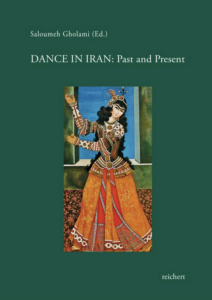
Photo: 33School – 2019; An underground somatic and dance school in Iran
Photo credit: Jeremy Suyker
Artists
acCessibilIty
Is the venue wheelchair accessible?
This venue is wheelchair accessible.
Will the event be ASL Interpreted?
Please contact us to request ASL Interpretation.
Will the event be described for Blind and low vision audiences?
Please contact us to request an audio describer.
In partnership with
Art must not look away from suffering — it must bear witness.
Sunday March 29
2pm-4pm + volunteering after
St Luke’s United Church
Join former Danny Grossman company members to learn repertoire from Triptych (1977).
Following the workshop, participants are invited to volunteer at the Out Of The Cold community meal offered on site.
We hope that through Dance&Housing, we can pay closer attention to the various layers of ‘Art & Life’ alongside ‘Representation & Reality’. How can art play a role in how we see, understand, and empathize with others?
Participants will be led in a focused repertoire exploration of Triptych (1977), choreographed by Danny Grossman. Created during a period of heightened social awareness, the work confronts themes of homelessness, marginalization, and the stripping away of illusion to reveal essential humanity.
Triptych unfolds through three distinct yet interwoven characters whose emotional landscapes include anger, fear, vulnerability, and an urgent desire to transcend tragic circumstances.
Former company members Meredith Thompson and Eddie Kastrau will teach selected segments from all three roles, offering participants insight into the physical vocabulary, character embodiment, and relational dynamics that define the work.
Over the two-hour workshop, participants will learn and assemble a 3–4 minute excerpt, culminating in an informal sharing in groups of three. Beyond learning choreography, dancers will engage with the emotional architecture of the piece and reflect on its continued relevance.
The workshop will conclude with participants volunteering at a community meal on site, grounding the artistic experience in direct community engagement.
Artists
Eddie Kastrau


Former professional dancer turned dance archivist and arts IT consultant, preserving legacy while supporting creative organizations.
Meredith Thompson
Meredith (she/her) lives, learns, and works in Tkaronto, and has recently transitioned from professional dance artist to expressive arts therapist.
acCessibilIty
Is the venue wheelchair accessible?
This venue is wheelchair accessible.
Will the event be ASL Interpreted?
Please contact us to request ASL Interpretation.
Will the event be described for Blind and low vision audiences?
Please contact us to request an audio describer.
In partnership with
We will write between image and word, wet and dry, light and shadow, sensing how language appears through what it omits — the negative space it’s bound to speaking.
In this workshop, we explore the alchemical potential of a mixture of practices from the repertoires of Serena Lee and Fan Wu, including: qigong, taijiquan, narrative meditation, calligraphy, poetry, and somatic translation.
We begin by grounding ourselves in space and in the presence of our bodies.
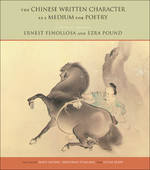
We will read and counter-read Fenollosa’s “The Chinese Written Character as a Medium for Poetry” by pushing at the limits of alphabetical languages that are traditionally considered non-pictographic.
We will follow Mei-mei Berssenbrugge, Du Fu, Ikkyu — and many others in the lineage of a supple phenomenology of attention — and compose using the density of the ordinary as an ever-replenishing raw material.
Mon April 13
4pm-7pm
Cinecycle
Artists
acCessibilIty
Is the venue wheelchair accessible?
CineCycle is not yet fully wheelchair accessible. The laneway entrance beside 129 Spadina has two steps and no automatic doors. The rear entrance has no steps, but the path is uneven. Inside, the space (including gender-neutral washrooms) is all on one level. We’re working with the 401 building to improve accessibility. If you have any specific access needs or would like to arrange a walkthrough, please get in touch.
Will the event be ASL Interpreted?
Please contact us to request ASL Interpretation.
Will the event be described for Blind and low vision audiences?
Please contact us to request a describer.
In partnership with
How do we care for the bodies that move and move towards care for each other?
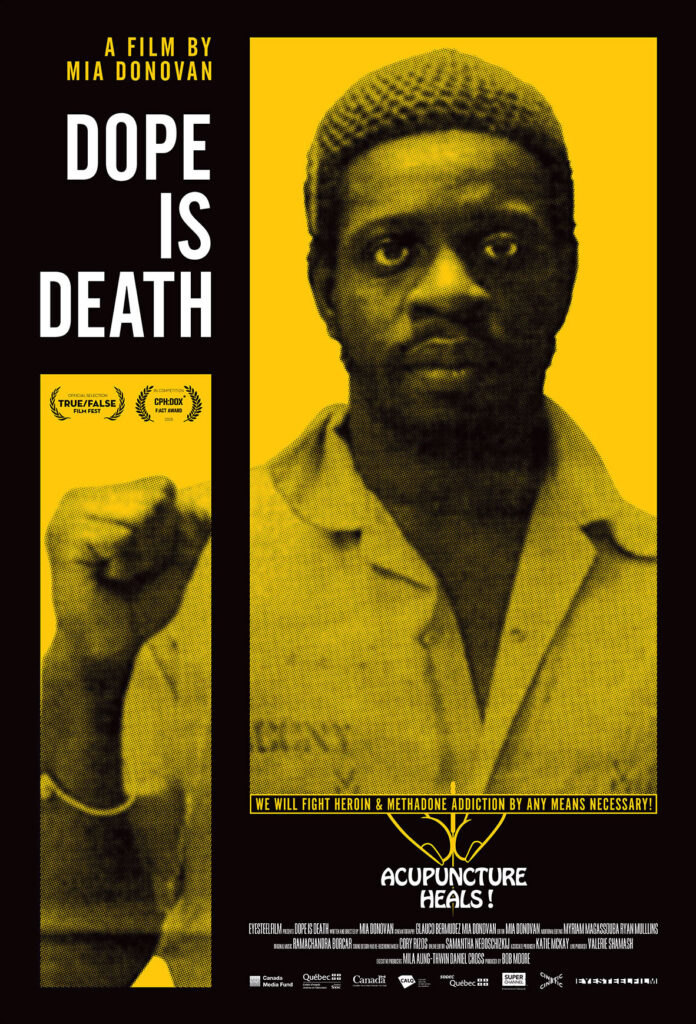
As part of our Dance& series, we invite multi-disciplinary artist & certified Acu-Detox Practitioner Nyda Kwasowsky to guide participants through movement and medicine as forms of self and community care.
Nyda will offer a movement score to explore ones own body as well as the other bodies in the space. After a break for some tea and light snacks, Nyda will share more about her practice.
The Acu-Detox originates from the Black Panthers, Young Lords and Barefoot Doctors (China) in the 70’s to attend to community care needs during the drug epidemic in NYC.
The practice is rooted in Traditional Chinese Medicine and is held in a circle framework. Acu-Detox can support and alleviate stress, anxiety, grief, depression (self injury), anger, fear, sleep, trauma, addictions (mood, emotional distress, cravings, withdrawal), pain and so much more.
Come think through the way dance relates to care, both of the self and the community with Nyda and Dancemakers. Register at the link below!
Artists
acCessibilIty
Is the venue wheelchair accessible?
Yes! We prioritize accessibility at all events.
Will the event be ASL Interpreted?
Please contact us to request ASL Interpretation.
Will the event be described for Blind and low vision audiences?
This workshop can include audio description. Please contact us to request a describer.
Hosted by
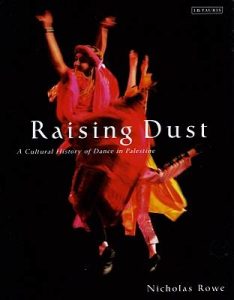
An intro lesson in Dabke: a levantine folk dance practised by communities in Palestine, Lebanon, Jordan & Syria.
Join Ahmed and Wisam from Zaytouna Dabke as they teach an intro lesson in Dabke: a levantine folk dance practiced by communities in Palestine, Lebanon, Jordan & Syria.
The lesson will be followed by a short conversation about the history of Dabke and Palestinian Cultural Identity.
Inspiration includes:
Artists
acCessibilIty
Is the venue wheelchair accessible?
Yes, the venue is wheelchair accessible including ramps into the building, elevators and wheelchair accessible washrooms.
Will the event be ASL Interpreted?
All live events will offer ASL interpretation (upon request). Please contact us to request ASL Interpretation.
Will the event be described for Blind and low vision audiences?
This performance does not include audio description.
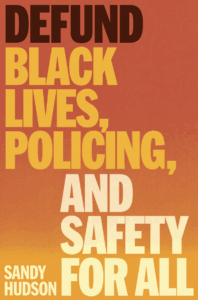
What does a world without prisons, police, or carceral punishment look like—and how do we build it?
This interactive workshop invites participants into an exploration of abolition, its roots and branches, first as a political framework, and then as creative and imaginative practice. Grounded in the belief that building a world rooted in care, accountability, community, and refusal to acquiesce to imperial, capitalist, and oppressive system of the (in)justice system(s) requires radical imagination— we turn and connect to Hip Hop through dance, which in its rhythms and improvisation, mirrors our movements towards abolition as a powerful tool for visioning and building new futures.
PART ONE, Facilitated by Furqan Mohamed:
Participants will engage in a mix of guided and group and reflective journaling. This part of the workshop will create space to unpack and outline core abolitionist ideas—drawing from the work of historic organizers, neighbours, thinkers, and artists—and explore how these concepts show up in our everyday lives. Through writing prompts and dialogue, we’ll reflect on questions like: What does safety mean to you? To your kin? What does “justice” really mean? How can we perform acts of abolition in our everyday? What would we need to give up, and make room for? What do we need to be healing from, and what are we moving toward, together?
PART TWO, Facilitated by Kosi C Ese:
Kosi’s workshop titled ‘No Half-Steppin’ is a nod to the infamous Big Daddy Kane ‘Ain’t No Half Steppin’ which makes a case for playfulness in rhyme and adaptability in and around structure within hip-hop. The title also points to staying clear of hesitation informally. A closer reading of Hip-Hop freestyle dance presents the idea that “hip is to be in the know and hop is the movement we create with said knowledge”.
Participants will engage in guided freestyle exercises to Hip-Hop music and use concepts of play and improvisation to generate conviction in the body. This portion will invite us to reflect on how we move forward and build the abolitionist futures we desire by going backwards to gain the necessary context.
Artists
acCessibilIty
Is the venue wheelchair accessible?
Yes, the venue is wheelchair accessible including ramps into the building, elevators and wheelchair accessible washrooms.
Will the event be ASL Interpreted?
All live events will offer ASL interpretation (upon request). Please contact us to request ASL Interpretation.
Will the event be described for Blind and low vision audiences?
This performance does not include audio description.